

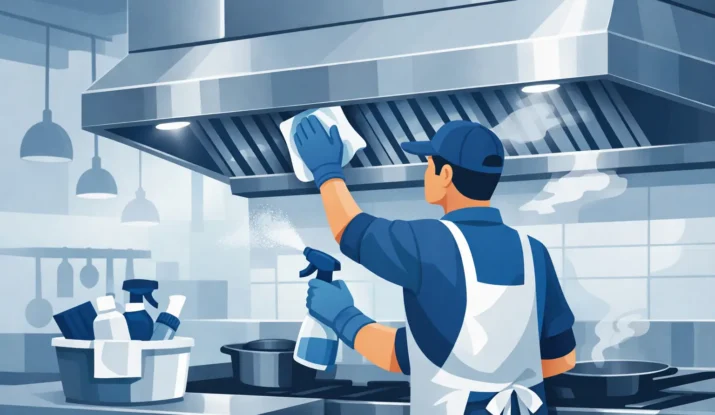
Grease does not build up all at once. It collects a little at a time during every shift, then turns into a serious problem when nobody can see past the filters. That is why cleaning exhaust hoods for restaurants is not just a maintenance task. It is a fire-safety requirement, a compliance issue, and a practical way to keep a commercial kitchen running the way it should.
For restaurant owners and kitchen managers in Las Vegas, the stakes are high. High-volume cooking, long service hours, and constant heat put extra strain on hood systems. If grease is left in the canopy, ductwork, filters, and exhaust fan, the system becomes more than dirty. It becomes a hazard that can affect inspections, equipment performance, and day-to-day operations.
Why cleaning exhaust hoods for restaurants matters
An exhaust hood system is designed to pull smoke, grease-laden vapors, and heat away from the cook line. When the system is working properly, the kitchen is safer, more comfortable, and easier to manage. When grease buildup starts to take over, the entire system loses efficiency.
The biggest concern is fire risk. Grease is fuel. When it accumulates inside the hood, in the ducts, or around the fan, a flare-up on the line has a much greater chance of spreading beyond the cooking surface. That is exactly why fire codes and inspection standards focus so heavily on kitchen exhaust cleaning.
There is also the issue of compliance. Restaurant operators are already balancing health inspections, staffing, food costs, and equipment upkeep. The last thing any operator needs is a preventable problem with a hood system that has been neglected too long. Routine service helps document that the system is being maintained and cleaned on schedule.
Operational performance matters too. A hood system clogged with grease cannot move air the way it should. That can lead to excess heat in the kitchen, lingering smoke, and strain on the exhaust fan. Staff feel it. Equipment feels it. In some kitchens, customers notice it too.
What should be cleaned in a restaurant exhaust system
A proper service goes beyond wiping down what is visible from the floor. The hood canopy is only one part of the system. Grease travels upward, and the real risk often sits deeper in the line.
Hood interior and exterior
The hood itself collects grease from daily cooking. Both the interior and exterior surfaces need attention. Exterior cleaning affects appearance and sanitation, while interior cleaning addresses hidden accumulation that creates fire risk.
Filters
Filters capture a large amount of grease before it enters the duct system. When they are overloaded, airflow drops and grease can bypass the filters more easily. Clean filters support better ventilation and reduce strain on the system.
Ductwork
Ducts are where neglected buildup becomes especially dangerous. Grease lining the duct interior is not always visible to kitchen staff, but it is one of the most critical parts of the system to clean. If a fire reaches the duct, the problem can escalate quickly.
Exhaust fan and rooftop components
The fan pulls contaminated air through the system and out of the building. Grease on the fan blades, housing, and surrounding rooftop area can reduce performance and create secondary cleanup issues. A complete service should address the fan, not just the hood below.
Signs your hood system needs service sooner
Some kitchens run on a set schedule and that is the right approach. Others wait until there is a visible problem. That usually costs more in the long run.
If grease is dripping, filters are heavily coated, smoke hangs in the kitchen longer than usual, or the line feels hotter during service, those are warning signs. Strong grease odors can also point to buildup inside the system. Another common issue is visible residue around access panels or rooftop fan areas.
It also depends on the type of cooking. A kitchen running fryers, charbroilers, and high-output sauté stations will load the system faster than a lower-grease operation. A busy casino kitchen, 24-hour concept, or high-volume franchise may need a much tighter cleaning frequency than a small operation with limited hours.
How often should restaurants schedule hood cleaning?
There is no single schedule that fits every kitchen. Frequency depends on cooking volume, fuel load, menu style, and local code expectations. That said, most commercial operators should not guess.
Solid-fuel cooking operations usually require the most frequent service because they create heavy residue and elevated fire risk. High-volume restaurants with constant frying or grilling often need routine cleaning at shorter intervals as well. Moderate-volume kitchens may have more flexibility, but waiting too long can still create compliance and safety issues.
The best approach is to base the schedule on actual kitchen conditions and code-driven service requirements. An experienced exhaust cleaning provider can help determine what is reasonable for your operation, but the goal should always be clear: clean often enough to prevent hazardous buildup before it becomes a problem.
What a professional cleaning process should look like
Restaurant exhaust cleaning is specialized work. It is not the same as general janitorial service, and it should not be treated as a quick wipe-down after hours.
A proper job starts with protecting the cooking area and nearby surfaces. Technicians should contain runoff, protect equipment, and prepare the work area to limit disruption. The hood, filters, accessible duct sections, and fan components are then cleaned to remove grease buildup throughout the system.
The standard is not cosmetic alone. The goal is to remove grease from the system so it is safer and closer to code expectations. In many cases, the work is scheduled overnight or during off-hours because restaurant operators cannot afford unnecessary downtime.
A dependable provider should also be straightforward about what is included. If the quote only covers visible hood surfaces and ignores ducts or fans, that leaves risk behind. Commercial kitchens need clarity on scope, service interval, and system condition.
Choosing a vendor for cleaning exhaust hoods restaurants can rely on
Not every cleaning company is set up for this kind of work. Restaurant operators need a vendor who understands fire risk, code compliance, and the realities of active foodservice operations.
Look for a company that specializes in kitchen exhaust systems, not one that treats hood cleaning as a side service. Experience matters because every system is different. Older buildings, long duct runs, rooftop access challenges, and heavy grease loads all affect how the work should be handled.
Consistency matters just as much. A missed area in the duct or fan can undermine the value of the whole service. Operators should expect honest communication, a clear scope of work, and scheduling that fits the business instead of interrupting it.
For Las Vegas restaurants, local knowledge also helps. Kitchens here face long operating hours, demanding hospitality traffic, and extreme rooftop conditions. A provider with real experience in this market understands how those factors affect grease buildup and service planning.
The cost of waiting too long
Delaying service can look like a way to save money, but it often creates bigger costs. Heavier buildup usually means a more difficult cleaning, more risk of equipment strain, and greater exposure during inspections. If a fire, failed inspection, or emergency shutdown happens, the financial impact can be far greater than routine maintenance.
There is also the workplace side of it. A kitchen with poor ventilation is harder on staff. Excess smoke, heat, and grease affect comfort and morale during already demanding shifts. Clean systems support a better working environment, especially in busy kitchens where every station is under pressure.
That is why operators who stay ahead of hood cleaning are usually better positioned overall. They are not scrambling before an inspection or reacting after a problem surfaces. They are managing a known risk before it turns into downtime.
Vegas Pressure Clean works with commercial kitchens that need that kind of dependable approach – thorough service, honest scheduling, and a strong focus on safety and compliance.
A practical standard for busy kitchens
Restaurant exhaust cleaning should be treated like any other essential back-of-house system. If it affects fire safety, airflow, inspections, and daily operations, it deserves regular attention from a qualified provider.
The right schedule is not always the cheapest one, and the cheapest service is not always the one that protects your kitchen. For most operators, the smarter move is simple: keep the system clean, keep records current, and address grease before it becomes a fire or compliance issue. That keeps the kitchen safer, the equipment working better, and the business focused on service instead of preventable problems.
Comments (2)
Kitchen Exhaust Hood Cleaning Certification – Vegas Pressure Clean
[…] standards they clean to, what parts of the system are included, and how they document completion. A serious contractor should be able to answer […]
Commercial Kitchen Grease Management That Works – Vegas Pressure Clean
[…] exhaust hood cleaning is different from daily filter and surface cleaning. A qualified hood cleaning service addresses […]