

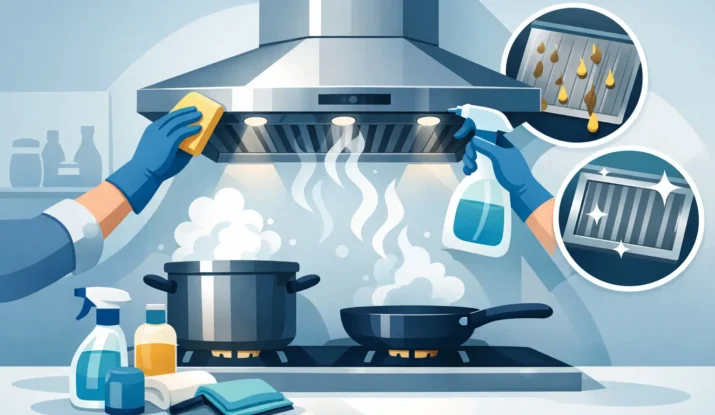
A greasy hood over a busy cookline is more than a cleaning issue. In a commercial kitchen, it is part of a fire protection system. That is why people ask, what is range hood cleaning? The short answer is that it is the removal of grease, smoke residue, and contaminants from the hood system above cooking equipment, including the parts you can see and the parts you cannot.
For restaurant owners, kitchen managers, and facility teams, that distinction matters. Wiping down the visible hood canopy is basic housekeeping. Proper range hood cleaning in a commercial setting goes further. It addresses grease buildup across the full exhaust path so the system can vent heat, smoke, and grease-laden vapors the way it was designed to.
What is range hood cleaning in a commercial kitchen?
In practical terms, range hood cleaning is a specialized service that removes combustible grease from the kitchen exhaust system. That usually includes the hood canopy, filters, accessible duct sections, and the exhaust fan. The goal is not cosmetic shine alone. The real purpose is reducing fire risk, supporting code compliance, and keeping the kitchen operating safely.
This is where many operators get tripped up. There is a big difference between daily cleaning by staff and professional exhaust system cleaning. Your team may clean hood filters, polish stainless surfaces, and keep the line presentable. A professional service is focused on the hidden grease deposits that collect over time in the hood plenum, ductwork, and fan assembly.
If those deposits are left in place, they do not just look bad. They become fuel. In a high-heat cooking environment, that is a serious hazard.
Why range hood cleaning matters beyond appearance
Most operators do not book this service because they want the hood to look better under the lights. They book it because grease buildup affects safety, inspections, and equipment performance.
Fire risk is the first concern. Commercial cooking produces grease-laden vapors that rise into the hood system. As those vapors cool, grease sticks to interior surfaces. Over time, the buildup can become thick enough to ignite if a flare-up reaches the exhaust path. When that happens, fire can spread fast through ducts and into the fan.
Compliance is the next issue. Commercial kitchens are expected to maintain their exhaust systems to recognized fire and safety standards. If an inspector sees excessive grease, missing service records, or signs that the system is not being maintained properly, that can lead to failed inspections, corrective action, or avoidable headaches with operations.
There is also the day-to-day impact. Dirty exhaust systems can affect airflow, trap heat, and leave the kitchen smokier than it should be. Staff feel it. Equipment works harder. The space becomes less comfortable and harder to manage during peak service.
What gets cleaned during a professional service
A proper commercial range hood cleaning is a system cleaning, not just a surface wipe-down. The exact scope depends on the kitchen layout, cooking volume, and system condition, but the work usually covers the main grease-producing components.
The hood canopy is cleaned inside and out, including areas above filters where grease accumulates out of sight. Filters are cleaned to remove hardened residue that blocks airflow. The plenum area behind the filters is addressed because this is where grease often builds up heavily.
Accessible ductwork is cleaned to remove grease deposits lining the interior. The exhaust fan, including blades, housing, and surrounding components, is also cleaned because fan grease affects both fire safety and ventilation performance. In many kitchens, this part is overlooked until airflow drops or inspectors raise concerns.
Containment and cleanup matter too. A professional crew should protect nearby surfaces, control runoff, and leave the kitchen in service-ready condition. For busy operators, the quality of the cleanup is almost as important as the cleaning itself.
What range hood cleaning is not
It helps to be clear about what this service does not cover. Range hood cleaning is not the same as a light janitorial wipe-down. It is not limited to polishing visible stainless steel. It is also not a one-time fix if the kitchen has gone too long without maintenance.
If grease is severe, a neglected system may require more labor, more frequent service, or repairs before it can be maintained on a normal schedule. Cleaning also does not replace mechanical service. If the fan motor, belt, hinges, or access panels have issues, those may need separate attention.
That is why experienced commercial providers talk about cleaning in the context of overall kitchen exhaust maintenance. The cleaning is essential, but it works best as part of a routine plan.
How often should a commercial range hood be cleaned?
The honest answer is, it depends on the cooking operation. A 24-hour restaurant with heavy frying, charbroiling, or wok cooking will build grease much faster than a kitchen with lighter production. Hotel kitchens, franchise groups, and high-volume concepts often need a more frequent schedule simply because the system works harder.
Usage drives the timeline. So does the type of cooking. Grease-heavy menus create heavier deposits, while lower-grease operations may be able to go longer between cleanings. The key is not guessing. The schedule should match the actual load on the system and the applicable standards for the kitchen.
Waiting until the hood looks dirty is not a good benchmark. By the time visible surfaces are telling you there is a problem, hidden sections may already have a meaningful grease layer.
Signs your hood system needs attention
Some warning signs are obvious. Grease dripping from filters or hood seams is a clear problem. So is visible residue on the fan or duct access points. If the kitchen feels hotter or smokier than usual, poor exhaust performance may be part of the issue.
Other signs show up during inspections or routine maintenance. Inspectors may note grease accumulation, inaccessible areas, or missing documentation. Staff may complain about odors that linger. Managers may notice more grease settling on nearby surfaces because the system is not pulling air effectively.
If you are seeing repeated grease problems around the cookline, it is worth looking beyond front-facing cleaning and having the exhaust system evaluated properly.
What to expect from a qualified provider
Commercial kitchen operators do not need a flashy pitch. They need a vendor who understands code-driven cleaning, shows up when scheduled, protects the facility, and does the work thoroughly.
A qualified provider should be able to explain what areas are being cleaned, what limitations exist, and whether the current condition suggests a different service frequency. They should work in a way that minimizes disruption, especially for kitchens that operate late or early. Clear estimates, documented service, and straightforward communication matter because operators are juggling staffing, vendors, inspections, and service windows all at once.
In a market like Las Vegas, where volume can be high and downtime is expensive, reliability matters as much as the cleaning itself. Companies like Vegas Pressure Clean focus on this kind of work because commercial kitchens need more than a general cleaning crew. They need specialists who understand grease risk and compliance expectations.
What is range hood cleaning really protecting?
At the surface level, it protects the hood system. At the operational level, it protects the kitchen, the staff, and the business.
A cleaner exhaust system lowers the chance that grease becomes an ignition source. It supports better airflow and a safer work environment on the line. It helps operators stay ahead of inspections instead of reacting to them. It can also help reduce the kind of emergency cleanup and downtime that usually costs more than routine service ever would.
For multi-unit operators and facility managers, there is another benefit. A documented maintenance routine creates consistency across locations. That matters when you are trying to manage risk, standardize vendor performance, and avoid surprises.
Range hood cleaning is one of those services that tends to get attention only when something goes wrong. The better approach is to treat it as part of normal kitchen risk management. When the system is cleaned on the right schedule by a qualified commercial provider, it is easier to keep the operation safe, compliant, and ready for the next service rush.
If you run a commercial kitchen, the best time to think about hood cleaning is before grease buildup starts calling the shots.
1 Comment
Hood Cleaning Fire Code Requirements – Vegas Pressure Clean
[…] is why code does not treat hood cleaning as cosmetic work. It is a fire prevention service. A proper cleaning must remove grease from the entire system, not just the visible surfaces over the […]