

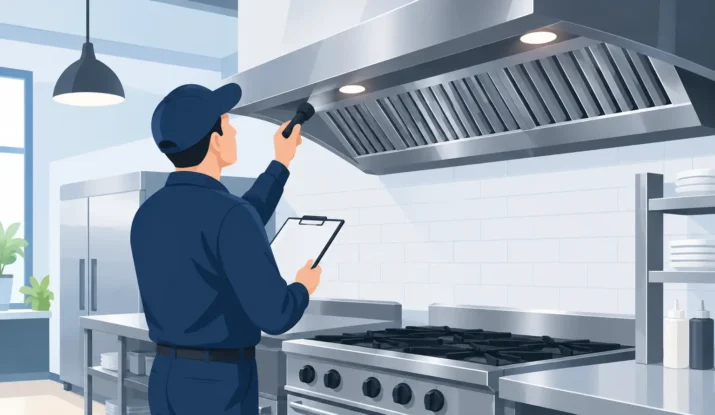
A failed hood inspection rarely starts on inspection day. It usually starts weeks or months earlier, when grease is allowed to build up above the cook line, a fan is not operating properly, or required service records cannot be found. For Las Vegas restaurant and commercial kitchen operators, hood inspections are a working test of whether the exhaust system is being maintained to control a serious fire risk.
A clean kitchen floor and polished stainless equipment matter, but the exhaust system is where grease vapor travels, accumulates, and can become fuel. A reliable inspection-ready program protects employees, customers, property, and service continuity. It also gives managers one less urgent issue to solve during a busy shift.
What Inspectors Look for During Hood Inspections
Commercial kitchen hood systems are designed to capture heat, smoke, grease-laden vapors, and combustion byproducts from cooking equipment. Inspectors generally evaluate whether that system is clean, accessible, operational, and maintained according to applicable fire and health requirements.
The visible hood canopy is only one part of the system. Grease can collect in the plenum behind filters, throughout ductwork, on the rooftop exhaust fan, and in areas that are difficult for kitchen staff to see. Inspection concerns may include excessive grease buildup, missing or damaged filters, unsecured access panels, leaking grease, and an exhaust fan that is not performing as it should.
Fire suppression equipment also needs clear access and proper coordination with the cooking line. A hood cleaning contractor does not replace a licensed fire suppression service company, but cleaning and suppression service should work together. Grease buildup around protected appliances can compromise safety and create avoidable concerns during an inspection.
Documentation is another practical part of the process. After professional exhaust cleaning, kitchens should have a service record showing the work completed and the condition of the system. The certification sticker applied after service is a useful visual reference, but operators should also keep invoices, reports, and maintenance records organized for management and inspectors.
Grease Is the Core Issue
Cooking creates grease vapor even when the kitchen looks orderly at eye level. As vapor moves through the hood, it cools and settles on metal surfaces. High-volume frying, charbroiling, wok cooking, and solid-fuel cooking can create buildup quickly. Lower-volume operations may accumulate grease more slowly, but they are not exempt from the need for regular service.
The risk is straightforward. If a fire starts on the cook line, flames and heat can move into a grease-laden exhaust system. Once fire enters the duct, it can travel beyond the cooking area and become much harder to control. Routine cleaning removes accumulated fuel before it becomes a larger hazard.
This is why a quick wipe-down of the hood’s exterior is not the same as a professional exhaust cleaning. Daily staff cleaning is essential for filters, surfaces, and general sanitation. However, trained hood cleaning service addresses the parts of the system that require access, containment, degreasing, and inspection from the hood through the ductwork to the fan.
Cleaning Frequency Depends on Kitchen Use
There is no single schedule that fits every operation. Cleaning frequency should reflect the type and volume of cooking, the equipment in use, and the requirements of the authority having jurisdiction. National fire safety guidance commonly uses intervals ranging from monthly service for the heaviest operations to semiannual or annual service for lower-volume kitchens.
For example, a busy restaurant with heavy frying or charbroiling may require more frequent exhaust cleaning than a small operation using mostly ovens and light-duty cooking equipment. Hotels, casinos, food courts, and multi-concept facilities may also need separate schedules for different kitchens based on actual grease production.
Waiting until grease is visible is not a sound maintenance strategy. By the time buildup is obvious on accessible surfaces, there may already be significant accumulation farther inside the system. A scheduled service plan gives operators a predictable maintenance calendar and helps prevent last-minute calls after an inspector identifies a problem.
Preparing Your Kitchen Before an Inspection
Inspection readiness should be part of normal kitchen management, not a one-day cleanup project. The goal is to make sure the exhaust system can be evaluated safely and that the operator can demonstrate consistent maintenance.
Start by checking the filters. They should be installed correctly, seated securely, and free of excessive grease. Bent, damaged, or missing filters can allow grease to move into areas where it does not belong. Staff should also know that filters need regular cleaning based on the kitchen’s cooking volume.
Next, look for signs that deserve immediate attention: grease dripping from the hood or fan, unusual smoke in the kitchen, poor capture at the cook line, damaged duct access doors, or a fan that sounds abnormal or fails to operate. These are operational warning signs, not items to ignore until the next scheduled cleaning.
Keep the area around the hood and fire suppression components accessible. Do not stack boxes, store supplies on equipment, or place items where they interfere with inspection or service. If ceiling tiles, wall finishes, or rooftop areas show grease staining, document the issue and have the source evaluated.
Finally, have your records available. A manager should be able to confirm the last cleaning date, the service provider, the established cleaning interval, and any repairs or recommendations that are still pending. Organized records communicate that the kitchen is actively managed rather than maintained only after a problem appears.
Common Reasons Kitchens Run Into Trouble
One common problem is treating exhaust cleaning as a cosmetic service. The system may look acceptable from the dining room or even from the kitchen floor, while the duct and fan contain accumulated grease. Another issue is assuming the prior tenant’s service schedule is appropriate for the current operation. A concept that adds frying, charbroiling, or longer hours may need a more frequent cleaning interval.
Incomplete work can also create risk. A proper service scope should address the full exhaust path that is accessible for cleaning, including the hood interior, plenum, ducts, and exhaust fan. If cleaning is limited to the visible canopy, the areas most likely to hold hidden grease may be left behind.
Poor communication between operators and vendors causes problems too. If a rooftop fan is inaccessible, if equipment has been moved, or if the kitchen cannot be shut down during the planned service window, the work may be delayed or incomplete. The best results come from confirming access, timing, and service expectations before the crew arrives.
Choose a Contractor Who Understands Compliance
Price matters, but hood cleaning should not be selected as a commodity service. The lowest estimate may not account for the full scope of the system, proper containment, rooftop cleaning, after-hours scheduling, or the documentation needed for your records. Ask what areas are included, how the kitchen will be protected during service, and how recommendations will be communicated.
For Nevada operators, licensing and local experience matter as well. A contractor who works regularly in commercial kitchens understands that the job is not finished when grease is removed. The kitchen must be left clean, equipment must be respected, and the operator needs clear confirmation of the service performed.
Vegas Pressure Clean provides specialized kitchen exhaust cleaning with an owner-led approach focused on fire safety, code compliance, and dependable service for working commercial kitchens. That focus helps operators address grease-management needs without adding unnecessary disruption to their schedule.
Make Inspection Readiness Part of Operations
The strongest approach is simple: clean on the right schedule, keep records, address warning signs early, and use a qualified contractor who understands the complete exhaust system. This protects far more than an inspection result. It reduces fire exposure, supports better ventilation, and helps keep the kitchen operating without preventable downtime.
When your next service date is approaching, do not wait for an inspector to tell you what needs attention. Review your hood system, confirm your documentation, and schedule professional cleaning before grease buildup becomes the issue that interrupts your business.