

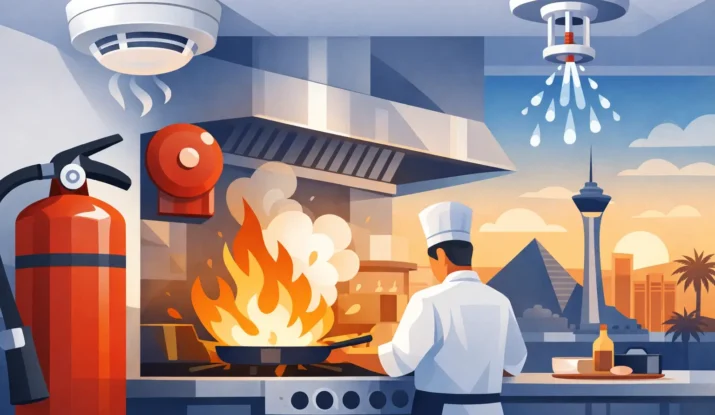
A kitchen can look clean at closing time and still carry a serious fire risk above the cook line. Grease inside the hood, ductwork, and exhaust fan is often out of sight until an inspection, equipment issue, or fire exposes the problem. Current fire code compliance trends are putting more attention on documented maintenance, complete system cleaning, and proof that a commercial kitchen is being managed before a hazard develops.
For Las Vegas restaurants, hotels, casinos, and other high-volume foodservice operations, compliance is not just a box to check. It protects staff, guests, property, operating permits, and the ability to stay open during a busy service period.
Fire Code Compliance Trends Are Moving Toward Prevention
Fire officials have always focused on grease as a fuel source, but enforcement is increasingly centered on whether operators have a dependable prevention process. A hood that was cleaned once is not necessarily compliant months later. The condition of the full exhaust system, the cooking volume, the type of food produced, and the quality of service records all matter.
This is especially relevant in Las Vegas, where many kitchens run late hours, serve high volumes, or operate around the clock. Grease accumulation does not follow a calendar alone. A steakhouse with heavy charbroiling, a 24-hour diner, and a limited-service café may all need different cleaning intervals because their grease load is different.
The practical trend is clear: schedules are becoming more risk-based. Rather than waiting for visible buildup or an inspection notice, responsible operators are matching hood-cleaning frequency to actual kitchen use and adjusting it when menus, equipment, or operating hours change.
Documentation Is Becoming Part of the Job
A clean exhaust system is the foundation, but a kitchen also needs to show that the work was done properly. Inspectors and facility managers need a clear record of when service occurred, what system was serviced, and whether the work addressed the areas where grease collects.
Service documentation helps create accountability between the kitchen, the cleaning contractor, and the person responsible for facility maintenance. It is also useful when a restaurant changes managers, a hospitality group reviews vendor performance, or an insurance carrier requests maintenance information after a loss.
Keep a simple, organized compliance file that includes:
- Hood and exhaust cleaning reports with service dates
- The cleaning schedule and the next planned service date
- Fire suppression system inspection and service records
- Notes on repairs, access issues, or conditions that need follow-up
This does not need to create extra paperwork for an already busy kitchen team. The goal is to make important records easy to find. When an inspector asks when the exhaust system was last cleaned, the answer should not depend on someone remembering.
Complete Exhaust-System Cleaning Matters More Than Surface Appearance
One of the most significant fire code compliance trends is greater attention to the entire path grease follows. The visible hood is only one part of the system. Grease can build up in plenum areas, ducts, rooftop fans, hinges, and hard-to-reach sections that are not obvious from the kitchen floor.
A surface-level cleaning may improve appearance, but it does not remove the fuel load inside the exhaust system. If heat or flame enters a grease-laden duct, fire can travel beyond the cooking area quickly. That is why professional hood cleaning should address the accessible components of the system, not simply polish the lower hood where guests or staff can see it.
Access is a practical issue here. Some kitchens have duct runs, fans, or roof locations that are difficult to reach. That does not make those areas optional. It means the contractor and facility team need to plan access safely, identify service limitations, and address conditions that prevent a complete cleaning. A professional vendor should communicate those issues clearly rather than leaving the operator with a false sense of security.
Cleaning Frequency Should Follow Kitchen Risk
National fire safety standards commonly guide exhaust-cleaning frequency based on the type and volume of cooking. High-volume operations and kitchens producing grease-laden vapors generally require more frequent service than lower-volume facilities. Local requirements and the authority having jurisdiction determine what applies to a particular property.
The right interval depends on several factors. Heavy frying, charbroiling, wok cooking, solid-fuel cooking, long operating hours, and high production volume can accelerate buildup. A change in menu can matter as much as a change in occupancy. For example, adding fried chicken, burgers, or late-night service can increase the amount of grease moving through the system each week.
Do not assume a prior schedule is still right because it has always been used. Review it when your kitchen operation changes. If the hood is loading up before the next scheduled cleaning, the schedule needs to be tightened. If a contractor finds recurring buildup in a particular section of ductwork or at the fan, that finding deserves attention before it becomes an inspection issue.
Fire Safety Is Connected to Equipment Maintenance
Compliance work is increasingly less siloed. Hood cleaning, fire suppression inspections, filter maintenance, fan operation, and kitchen equipment cleaning all affect the condition of the cooking environment. They may be handled by different vendors, but the kitchen manager or facility manager needs to see how they fit together.
Grease filters need to be properly installed and maintained because they are the first line of defense against grease entering the duct system. Exhaust fans need to operate correctly so smoke, heat, and vapors are captured as intended. Fire suppression components should remain accessible and free from conditions that could interfere with operation or inspection.
This does not mean every issue requires a major capital project. In many cases, a timely repair, better access panel, replacement filter, or corrected fan condition can prevent repeat cleaning problems. The key is to act on service findings instead of treating them as minor notes.
Inspections Favor Prepared Kitchens
An inspection can feel disruptive when records are missing, access is blocked, or staff are unsure who manages compliance. Prepared kitchens handle inspections more calmly because their maintenance process is already in place.
Before an inspection, check that hood-cleaning documentation is current, suppression service tags and records are available, and the cooking line is not hiding hazards behind stored supplies or makeshift modifications. Review any outstanding recommendations from prior service visits. Small unresolved conditions have a way of becoming larger problems when several of them accumulate.
For multi-unit operators, consistency is a major advantage. Each location may have different equipment and production levels, but every manager should know where compliance records are kept, who to call for service, and what to do if grease buildup, a spill, or an equipment concern is discovered. A standardized process reduces the risk that one busy location falls behind.
Choose a Vendor That Understands Compliance, Not Just Cleaning
Price matters, but the lowest quote can become expensive if the work is incomplete, poorly documented, or creates avoidable disruption. Commercial kitchen exhaust cleaning requires an understanding of grease behavior, access requirements, safe work practices, and applicable fire-code expectations.
Ask direct questions before scheduling service. Will the full accessible system be cleaned? How will the work be documented? Can the crew work around your operating hours? What happens if they find inaccessible areas, damaged components, or an unusual grease condition? Clear answers help prevent surprises after service is complete.
For local operators, a specialized provider such as Vegas Pressure Clean can also bring practical value through owner-led attention and a narrow focus on kitchen grease and fire-risk cleaning. The goal is not merely a cleaner hood. It is a documented, dependable maintenance process that supports a safer kitchen and fewer operational interruptions.
Make Compliance a Routine Operating Habit
The kitchens that stay ahead of fire risk do not wait for a failed inspection or a visible grease problem. They treat exhaust maintenance as a regular operating responsibility, schedule service based on real cooking conditions, and keep records ready for review. That approach protects more than compliance status. It gives managers one less urgent issue to solve during service and helps keep the kitchen ready for the work it was built to do.