

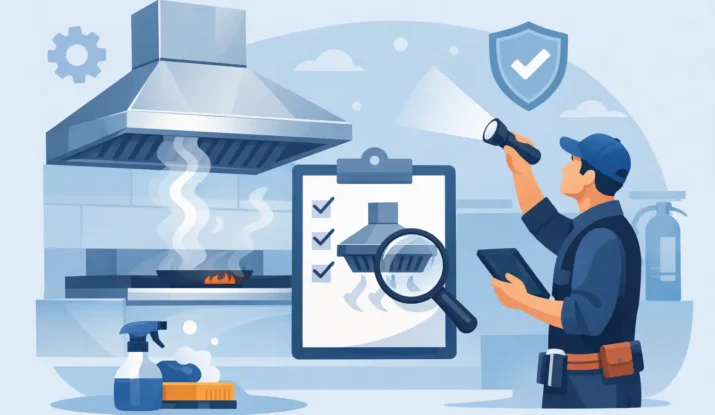
A kitchen can look clean at the cook line and still fail where it matters most. Grease inside the hood, ductwork, and exhaust fan is what creates fire risk, and that is why hood cleaning inspection requirements matter to restaurant owners, kitchen managers, and facility teams.
If you are responsible for a commercial kitchen in Las Vegas, inspections are not just a paperwork issue. They affect fire safety, insurance exposure, equipment performance, and whether your operation stays open without disruption. Knowing what inspectors are looking for helps you schedule service at the right intervals and avoid the last-minute scramble that usually costs more.
What hood cleaning inspection requirements are really about
At the practical level, hood cleaning inspection requirements are built around one main goal: reducing the chance of a grease fire spreading through the exhaust system. The hood is only one part of that system. Inspectors and qualified cleaners are also concerned with the duct runs, access panels, filters, the fan, and the areas where grease can collect out of sight.
This is why a hood that appears acceptable from below may still be noncompliant. If grease has built up in the vertical duct or on the rooftop fan, the system is still a hazard. In a fire, flame can travel fast through that path.
Most jurisdictions rely on nationally recognized fire code standards for commercial kitchen exhaust cleaning, especially NFPA 96, along with local fire authority requirements. Exact enforcement can vary by location, building type, cooking volume, and the type of food being prepared. A 24-hour fried chicken kitchen does not have the same cleaning schedule as a church kitchen that cooks a few times per month.
What inspectors usually check during a hood system inspection
A proper inspection is not limited to whether the stainless steel shines. The real question is whether the entire exhaust system has been cleaned to bare metal where required and maintained in a safe operating condition.
Grease buildup inside the system
This is the biggest issue. Inspectors look for grease deposits on the hood interior, behind filters, in ductwork, and on fan components. Heavy buildup is an obvious red flag, but even moderate accumulation can become a problem if the kitchen is overdue for service.
Access to hidden areas
If sections of the duct cannot be reached for proper cleaning, that can create a compliance issue. Access panels matter because no contractor can honestly clean what they cannot reach. If your system has poor access, a qualified provider may recommend modifications so future cleanings can be done correctly.
Filter condition and placement
Grease filters need to be present, properly installed, and in working condition. Missing or damaged filters allow more grease to move deeper into the system, which speeds up buildup in the duct and fan.
Fan and rooftop condition
The exhaust fan is often where grease gets missed by companies that rush the job. Inspectors may look at hinge kits, fan access, grease containment, and buildup on blades and housing. The rooftop area also matters because grease runoff can create safety and property issues.
Cleaning documentation
One of the most overlooked hood cleaning inspection requirements is documentation. Inspectors commonly want proof of service, including when the system was cleaned, who performed the work, and whether the provider is properly qualified. Service stickers and written reports are not just extras. They help demonstrate that the system is being maintained on schedule.
How often hood cleaning is required
This is where many operators get tripped up, because the answer is not the same for every kitchen. Cleaning frequency depends on cooking volume and grease production.
High-volume operations, 24-hour kitchens, charbroiling, wok cooking, and heavy frying generally require more frequent service. Moderate-volume restaurants may fall on a quarterly schedule. Lower-volume operations may be inspected less often, but less often does not mean never. The system still needs to be evaluated and cleaned before grease buildup becomes excessive.
A common mistake is treating the service interval as fixed forever. Menus change. Staffing changes. Hours expand. A kitchen that used to be moderate volume can become a heavy-use operation quickly, and the hood cleaning schedule should keep up.
Why passing visual checks is not enough
Operators sometimes assume they are fine because there is no odor, no smoke issue, and no visible grease dripping from the hood. Unfortunately, hidden buildup does not announce itself early. By the time there is visible leakage or poor exhaust performance, the system may already be far past the point where an inspector would consider it acceptable.
There is also a difference between general kitchen cleaning and exhaust system cleaning. Your staff can and should clean surfaces around the line, but trained hood cleaners handle the internal system, degreasing methods, access points, and code-related details. Mixing those responsibilities often leaves serious gaps.
Hood cleaning inspection requirements and documentation
Records matter more than many operators realize. If a fire inspector asks when the system was last cleaned, you should be able to answer clearly and back it up. If an insurance carrier reviews a fire claim, maintenance history can become a major issue.
Good records typically include the date of service, the scope of work completed, notes about system condition, and any recommendations for repairs or added access. If a cleaner finds damaged components, missing filters, or inaccessible duct sections, those findings should be documented instead of ignored.
This is one reason commercial clients often prefer a specialized exhaust cleaning company rather than a general janitorial vendor. The stakes are different. The work is tied directly to life safety and code compliance, not just appearance.
Common reasons kitchens fail or raise concern
In most cases, inspection problems are not caused by one dramatic issue. They are caused by a series of small maintenance decisions that got pushed back during busy months.
The first is overdue cleaning. Operators get busy, the system still seems to be working, and the service slips a month or two. The second is incomplete cleaning, where visible areas are cleaned but ducts and fans are left with buildup. The third is poor documentation. Even if cleaning was done, a missing report can make it harder to demonstrate compliance.
There are also mechanical issues that fall outside cleaning but still affect inspections. Broken fan hinges, damaged access panels, missing filters, and worn components can all create concerns. Cleaning and maintenance work together. One without the other is usually not enough.
How to stay ahead of inspections without disrupting service
The best approach is simple: use a regular service schedule based on your actual kitchen output, not guesswork. That schedule should be reviewed whenever your operation changes. If your sales jump, your cleaning frequency may need to change with them.
It also helps to work with a provider that documents service clearly, flags problem areas early, and understands local enforcement expectations. For busy restaurants and hospitality groups, after-hours scheduling is not a luxury. It is part of keeping the kitchen compliant without hurting production.
A reliable hood cleaning company should not just clean what is easy to reach. They should tell you when access is insufficient, when buildup is excessive, and when another part of the system needs attention. Straight answers save money over time because they reduce emergency calls, failed inspections, and fire risk.
Vegas Pressure Clean works with commercial kitchens that need exactly that kind of direct, compliance-focused service. For operators juggling labor, service hours, and fire code responsibilities, clarity matters.
When requirements depend on your kitchen type
Not every kitchen falls neatly into the same category. A casino food court, an independent restaurant, a school kitchen, and a hotel banquet operation can each have different use patterns even if the equipment looks similar.
That is why inspection requirements often come down to actual grease production and operating hours, not just square footage or hood size. If your menu includes high-grease cooking methods, your risk level is higher. If your line runs late into the night or around the clock, buildup happens faster. The right schedule should reflect real use, not a generic estimate.
What smart operators watch between cleanings
You should not wait for the next service date to pay attention to the system. Changes in airflow, smoke capture problems, grease dripping, stronger odors, or visible residue around the fan and duct access points can all signal that cleaning is needed sooner.
Those warning signs do not always mean you are facing a violation, but they do mean the system deserves a closer look. Acting early usually gives you more scheduling flexibility and lowers the chance of a surprise during an inspection.
The kitchens that stay in good standing are rarely the ones reacting at the last minute. They are the ones treating hood cleaning as part of routine fire prevention, just like extinguisher service or equipment maintenance. That mindset keeps inspections from becoming emergencies and helps your operation stay ready for the next busy shift.
1 Comment
Commercial Grease Management Guide – Vegas Pressure Clean
[…] Exhaust hood, duct, and fan cleaning should be handled on a professional schedule based on fire code requirements and actual grease […]